Source Automatic Flatbed Cnc Cutting Plotter for Printing Shops
Compare 30 automatic flatbed cnc cutting plotter units from Guangdong, China, featuring servo motors and vacuum systems. Buyers can evaluate specs like working width, cutting thickness, and transmission systems to find suitable options for advertising and printing applications.
Key considerations
Products List


Comprehensive Sourcing Guide
Strategic Sourcing Guide for Automatic Flatbed CNC Cutting Plotters
Understanding Core Technical Specifications and Performance Metrics
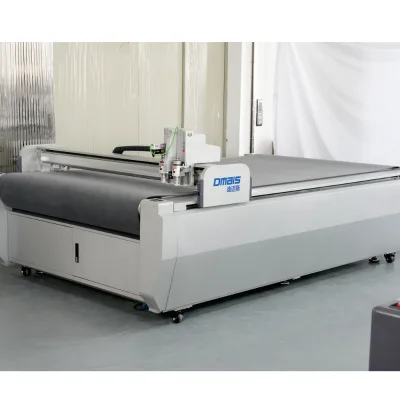
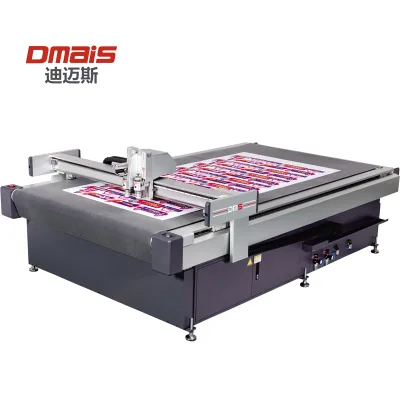
When sourcing an automatic flatbed CNC cutting plotter, the primary objective is to align machine capabilities with specific production demands. The market presents a diverse array of configurations, and buyers must scrutinize the technical specifications provided by suppliers to ensure operational fit. A critical parameter is the effective working range, which dictates the maximum dimensions of materials that can be processed in a single pass. Observed market data indicates significant variance in these dimensions, with some units offering a working range of 2500 by 1600 millimeters, while others are configured for smaller formats such as 600 by 900 millimeters. Selecting the correct working width is essential; for instance, a machine with a working width of 1600 millimeters is suitable for standard roll-to-roll or sheet processing, whereas larger formats may be required for expansive signage or industrial packaging applications.
The cutting thickness capability represents another fundamental constraint. Buyers should verify that the machine's cutter pressure and blade depth are sufficient for the materials they intend to process. Specifications indicate that certain models support cutting thicknesses up to 30 millimeters, which is a critical threshold for materials like thick foam, rubber, or composite boards. The pressure adjustment mechanism is often digital, allowing for precise control ranging from 10 to 1000 grams. This digital adjustability ensures that delicate materials are not damaged while maintaining the force necessary to cut through denser substrates. Furthermore, the moving speed of the plotter significantly impacts throughput. Market observations show moving speeds varying between 800 and 1600 millimeters per second. Higher speeds are advantageous for high-volume production environments, but they must be balanced against the need for precision and the stability of the cutting head.
The transmission system is the mechanical backbone of the plotter. High-performance units typically utilize a combination of imported servo motors, linear guides, timing belts, screws, and gears. This configuration is designed to minimize backlash and ensure high accuracy during complex cutting paths. The drive type is almost exclusively electric, powered by a motor that typically ranges from 7.5 to 11 kilowatts. The voltage requirements also vary, with some units operating on 220V±10% and others requiring 380V±10%. Buyers must confirm the electrical infrastructure of their facility matches the machine's voltage specification before proceeding with a purchase. Additionally, the software compatibility is paramount; the machine must support standard industry file formats such as AI, DXF, and PLT to ensure seamless integration with existing design workflows.
Compliance, Certification, and Safety Standards Verification
Navigating the regulatory landscape is a non-negotiable aspect of B2B procurement, particularly for industrial machinery. While specific certification statuses like CE or ISO 9001:2015 are often cited in the broader market, buyers must treat these as verification points rather than guaranteed attributes of every listed product. The presence of a machinery test report is a strong indicator of a supplier's commitment to quality assurance. This document should be requested and reviewed to confirm that the machine has undergone rigorous testing for safety and performance. Buyers should not assume that a machine meets international safety standards without explicit documentation provided by the manufacturer.
Safety devices are integral to the operation of automatic cutting plotters. A safe anti-collision system is a standard feature in reputable models, designed to prevent damage to the machine and the material in the event of an unexpected obstruction. This system acts as a critical fail-safe, protecting both the equipment and the operator. When evaluating a supplier, procurement teams should inquire specifically about the implementation of these safety features. The presence of a video outgoing-inspection service is another factor to consider, although availability varies. If a supplier offers video inspections, it provides an additional layer of transparency, allowing the buyer to visually verify the machine's condition and functionality before shipment. However, if this service is not available, buyers must rely on the provided test reports and detailed specifications to assess quality.
Compliance also extends to the materials used in the machine's construction and packaging. The packaging material is typically wood, which must comply with international phytosanitary standards to facilitate international shipping. The single gross weight of the machine, which can range significantly based on the model, influences shipping logistics and customs duties. For example, a unit with a gross weight of 1150 kilograms requires different handling and freight arrangements compared to a lighter model weighing 850 kilograms. Buyers must ensure that the supplier provides accurate weight and dimension data for the single package size, which is often listed in centimeters (e.g., 345.0 by 227.0 by 140.0 cm). Accurate data is crucial for calculating freight costs and ensuring the machine can be delivered to the final destination without logistical issues.
Cost Drivers and Financial Considerations in Procurement
The financial landscape of sourcing automatic flatbed CNC cutting plotters is influenced by a complex interplay of factors, including technical specifications, brand reputation, and supply chain logistics. The observed price range in the market is substantial, spanning from approximately 229 to over 18,000 US dollars. This wide disparity reflects differences in build quality, component sourcing, and feature sets. Lower-priced units may utilize standard components and offer reduced working ranges or speeds, while higher-priced models often feature imported servo motors, advanced digital pressure controls, and larger working envelopes. Buyers must resist the temptation to select a machine based solely on the lowest price, as this often correlates with reduced durability and higher long-term maintenance costs.
The minimum order quantity (MOQ) is another critical financial factor. In the current market, the observed MOQ is consistently set at one unit, indicating that these machines are typically sold as single items. This flexibility allows buyers to acquire a single unit for pilot testing or small-scale operations without the need for bulk purchasing. However, the "Selling Units" designation as a single item suggests that volume discounts may not be automatically applied, and buyers should negotiate pricing based on the specific configuration and any additional accessories required. The warranty period is a standard component of the cost structure, with a typical offering of one year. This warranty should cover core components such as the motor and the transmission system. Buyers should carefully review the terms of the warranty to understand what is included and what constitutes an exclusion.
Production capacity and lead times are also hidden cost drivers. While specific lead times are not always disclosed in general listings, the production capacity is often listed as "Other," implying that it may vary based on order volume and current factory workload. Buyers should request a confirmed lead time during the negotiation phase to ensure that the machine arrives when needed. The location of origin, frequently identified as Guangdong, China, provides context for shipping costs and import duties. Understanding the logistics from the place of origin to the final destination is essential for accurate total cost of ownership calculations. Additionally, the after-warranty service, often provided as online support, represents a long-term cost consideration. Buyers should evaluate the availability and responsiveness of this support to ensure that any future technical issues can be resolved efficiently without incurring excessive downtime costs.
Typical Applications and Industry Use Cases
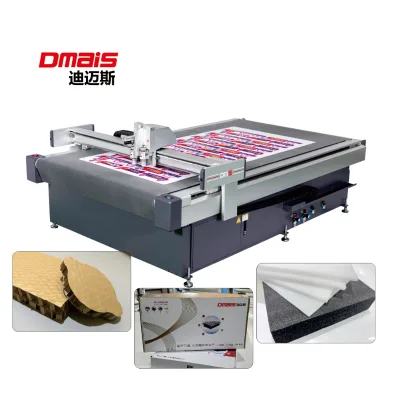
Automatic flatbed CNC cutting plotters are versatile machines designed to serve a broad spectrum of industries, with a primary focus on the printing and advertising sectors. The application profile of these machines is heavily skewed towards printing shops and advertising companies, where precision cutting of various materials is a daily requirement. In a printing shop environment, these plotters are utilized for die-cutting custom shapes, trimming oversized prints, and creating intricate designs for signage and displays. The ability to handle materials up to 30 millimeters thick allows for the processing of rigid substrates, expanding the range of products that can be manufactured in-house.
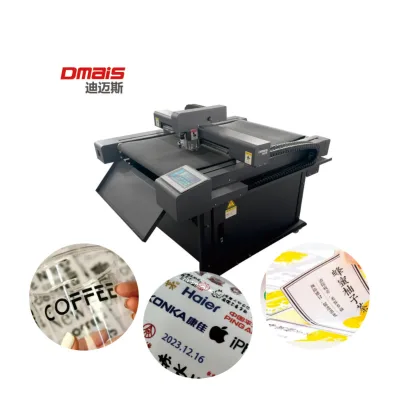
The advertising industry leverages these machines for the production of large-format graphics, vehicle wraps, and promotional displays. The effective working range of the machine determines the size of the graphics that can be produced in a single pass. For instance, a machine with a 2500 by 1600 millimeter working range is ideal for producing large banners and billboards, while a smaller 600 by 900 millimeter unit might be better suited for detailed work on smaller signage or promotional items. The high-accuracy selling point of these machines is particularly valuable in applications where tight tolerances are required, such as creating stencils or precise die-cuts for packaging.
Beyond printing and advertising, the versatility of these plotters extends to other sectors that require precise material cutting. The automatic grade of the machine allows for unattended operation, making it suitable for high-volume production environments. The support for multiple file formats ensures that designers can easily transfer their work from digital design software to the machine without complex conversion processes. The safety device, specifically the anti-collision system, is crucial in busy workshop environments where multiple operators may be working nearby. The combination of speed, accuracy, and safety makes these machines a cornerstone of modern fabrication workflows in the creative and industrial sectors.
Supplier Evaluation and Quality Assurance Protocols
Evaluating a supplier for automatic flatbed CNC cutting plotters requires a rigorous approach that goes beyond surface-level marketing claims. The brand name, such as DMAIS, may be a factor in brand recognition, but the technical specifications and component quality are more indicative of the machine's performance. Buyers should prioritize suppliers who provide detailed documentation, including machinery test reports and clear specifications for the transmission system. The use of imported components, such as servo motors and linear guides, is a strong indicator of quality, as these parts are generally known for their reliability and precision.
The "plc brand" is another area where buyers should exercise caution. Listings often state "other" for the PLC brand, which can be ambiguous. Buyers should request the specific brand and model of the programmable logic controller used in the machine, as this component is central to the machine's operation and control logic. A reputable supplier should be transparent about the components used and willing to provide technical data sheets. The "key selling points" listed, such as "High-Accuracy" or "Competitive Price," should be substantiated with evidence. For example, if "High-Accuracy" is claimed, the buyer should ask for tolerance specifications or examples of previous work that demonstrate this capability.
Quality control should be an integral part of the supplier evaluation process. The availability of video outgoing-inspection services, while not always present, is a significant advantage. If a supplier offers this service, it allows the buyer to verify the machine's condition and functionality before it leaves the factory. In the absence of video inspections, buyers should insist on detailed photos and videos of the machine in operation, as well as a comprehensive list of test results. The warranty terms and after-warranty service options, such as online support, are also critical indicators of a supplier's confidence in their product. A supplier that offers robust after-sales support is more likely to provide a reliable product that will perform well over the long term.
Long-Term Procurement and Operational Sustainability
Sourcing an automatic flatbed CNC cutting plotter is not just a one-time transaction but the beginning of a long-term operational relationship. The longevity of the machine depends on the quality of its components, the availability of spare parts, and the level of technical support provided by the supplier. The warranty period of one year is a standard starting point, but buyers should consider the total cost of ownership, including maintenance, repairs, and potential downtime. The "After Warranty Service" option, typically offered as online support, should be evaluated for its responsiveness and effectiveness. A supplier that provides comprehensive training and technical assistance can significantly reduce the learning curve and operational risks associated with the new equipment.
The production capacity of the supplier is also a factor in long-term procurement. If the supplier's capacity is listed as "Other," buyers should clarify the lead times for future orders or spare parts. Ensuring a steady supply of consumables and replacement parts is essential for maintaining continuous operation. The packaging material, typically wood, and the single package size must be considered for long-term storage and transportation logistics. The weight of the machine, which can range from 850 to 1150 kilograms, impacts the infrastructure required for installation and maintenance. Buyers should ensure that their facility has the necessary floor strength and space to accommodate the machine and its packaging.
Finally, the adaptability of the machine to future needs is a key consideration. The support for various file formats and the ability to cut a wide range of materials ensure that the machine can evolve with the buyer's business requirements. The "driven type" being electric and the "automatic grade" of the machine suggest that it is designed for modern, efficient production workflows. By carefully evaluating the technical specifications, compliance status, cost drivers, and supplier reliability, buyers can make informed decisions that support their long-term operational goals and ensure the successful integration of automatic flatbed CNC cutting plotters into their production lines.
FAQs
What is the effective working range of the machine?
The effective working range varies by model, with options like 2500 by 1600 millimeters or 600 by 900 millimeters available. Buyers must select the specific model that matches their material dimensions, as the range dictates the maximum size processable in a single pass.
How thick can the plotter cut materials?
The machine supports cutting thicknesses up to 30 millimeters depending on the model configuration. This capability allows processing of thick foams and boards, provided the digital pressure adjustment is set correctly between 10 and 1000 grams for the specific substrate.
Which transmission system components are used?
High-performance units utilize imported servo motors, linear guides, timing belts, screws, and gears for the transmission system. This combination minimizes backlash and ensures high accuracy during complex cutting paths, with power consumption typically ranging from 7.5 to 11 kilowatts.
Can the machine operate at high speeds?
Yes, moving speeds vary between 800 and 1600 millimeters per second based on the specific model selected. Higher speeds benefit high-volume production environments but must be balanced against the need for precision and the stability of the cutting head during operation.
What file formats does the software support?
The system supports standard industry file formats including AI, DXF, and PLT for seamless integration with design workflows. This compatibility ensures designers can easily transfer work from digital software to the machine without requiring complex conversion processes before cutting begins.
What warranty coverage is provided for the motor?
A standard one-year warranty covers core components such as the motor and transmission system. Buyers should review the specific terms to understand exclusions, as after-warranty service typically consists of online support rather than on-site visits.
How is the machine packaged for shipping?
The machine is typically packed in wooden crates to comply with international phytosanitary standards for shipping. The single package size and gross weight vary by model, ranging from 850 to 1150 kilograms, which influences freight costs and handling requirements.